Subject: Mycology
Subject: Mycology
Subject: Mycology
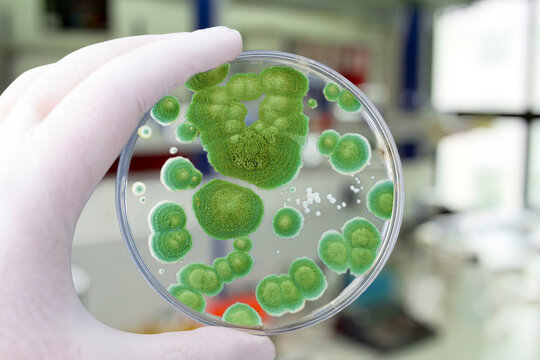
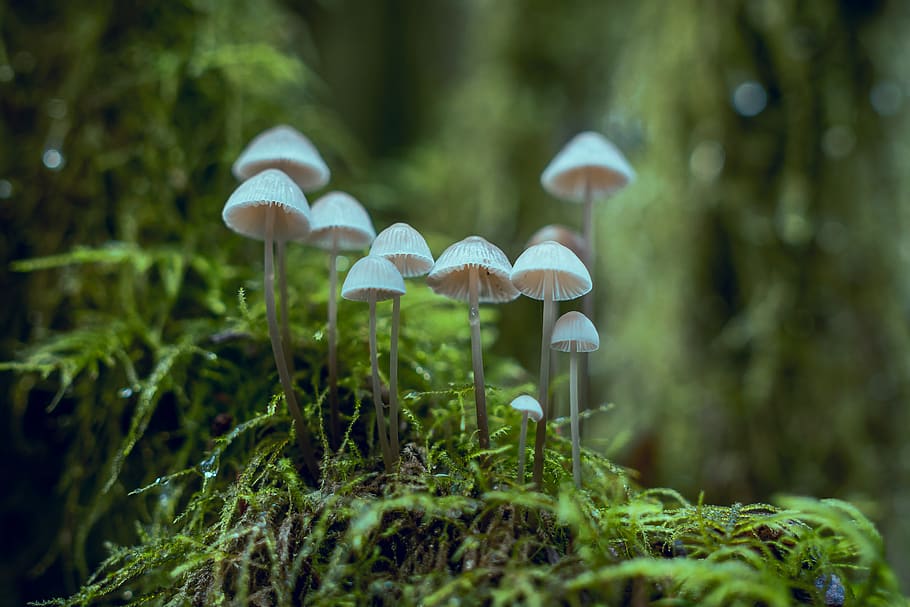
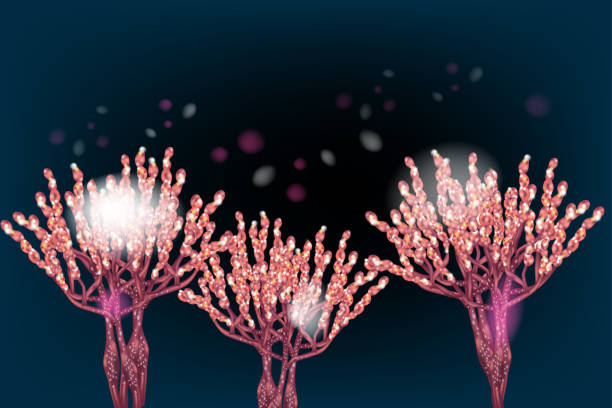
Mycology is the area of biology that studies fungus, including its genetic and biochemical features, taxonomy, and human applications, such as tinder, traditional medicine, food, and entheogens, as well as their risks, such as toxicity or infection.
Mycology is the area of biology that studies fungus, including its genetic and biochemical features, taxonomy, and human applications, such as tinder, traditional medicine, food, and entheogens, as well as their risks, such as toxicity or infection.
navigate here
A mycologist is a scientist who specializes in mycology.
A mycologist is a scientist who specializes in mycology.
Mycology overlaps with phytopathology, the study of plant diseases, and the two fields are inextricably linked since the great majority of plant infections are fungus.
Mycology overlaps with phytopathology, the study of plant diseases, and the two fields are inextricably linked since the great majority of plant infections are fungus.
Overview
Overview
Overview
Historically, mycology was considered a part of botany since, despite the fact that fungi are more closely linked to animals than plants, this was not acknowledged until a few decades ago. Elias Magnus Fries, Christian Hendrik Persoon, Anton de Bary, Elizabeth Eaton Morse, and Lewis David von Schweinitz were among the early mycologists. Beatrix Potter, the author of The Tale of Peter Rabbit, contributed significantly to the discipline. Pier Andrea Saccardo created a technique for identifying imperfect fungus based on spore colour and shape, which became the dominant approach before DNA analysis. He is well known for his Sylloge, a thorough collection of all the names given to mushrooms. Sylloge is still the sole book of its sort that is both comprehensive and somewhat recent for the botanical kingdom fungi. Toxins, antibiotics, and other secondary metabolites are produced by many fungi. Abraham Joffe, for example, conducted considerable research on the cosmopolitan (global) genus Fusarium and the toxins linked with deadly epidemics of alimentary toxic aleukia in humans. Fungi have critical roles in Earth’s existence as symbionts, such as mycorrhizae, insect symbionts, and lichens. Many fungi can degrade complex organic macromolecules like lignin, the more durable component of wood, as well as contaminants like xenobiotics, petroleum, and polycyclic aromatic hydrocarbons. Fungi play an essential part in the global carbon cycle by degrading these compounds.
Historically, mycology was considered a part of botany since, despite the fact that fungi are more closely linked to animals than plants, this was not acknowledged until a few decades ago. Elias Magnus Fries, Christian Hendrik Persoon, Anton de Bary, Elizabeth Eaton Morse, and Lewis David von Schweinitz were among the early mycologists. Beatrix Potter, the author of The Tale of Peter Rabbit, contributed significantly to the discipline. Pier Andrea Saccardo created a technique for identifying imperfect fungus based on spore colour and shape, which became the dominant approach before DNA analysis. He is well known for his Sylloge, a thorough collection of all the names given to mushrooms. Sylloge is still the sole book of its sort that is both comprehensive and somewhat recent for the botanical kingdom fungi. Toxins, antibiotics, and other secondary metabolites are produced by many fungi. Abraham Joffe, for example, conducted considerable research on the cosmopolitan (global) genus Fusarium and the toxins linked with deadly epidemics of alimentary toxic aleukia in humans. Fungi have critical roles in Earth’s existence as symbionts, such as mycorrhizae, insect symbionts, and lichens. Many fungi can degrade complex organic macromolecules like lignin, the more durable component of wood, as well as contaminants like xenobiotics, petroleum, and polycyclic aromatic hydrocarbons. Fungi play an essential part in the global carbon cycle by degrading these compounds.
Fungi and other creatures usually classified as fungi, such as oomycetes and myxomycetes (slime moulds), are frequently economically and socially significant because of some cause illnesses in animals (including humans) and plants.
Fungi and other creatures usually classified as fungi, such as oomycetes and myxomycetes (slime moulds), are frequently economically and socially significant because of some cause illnesses in animals (including humans) and plants.
Aside from dangerous fungi, numerous fungal species play a vital role in managing plant diseases caused by various pathogens. For example, Trichoderma species are regarded as one of the most significant biological control agents as an alternative to chemical-based treatments for successful crop disease management. Forays are field gatherings to locate unusual species of fungi, named after the first such meeting, held in 1868 by the Woolhope Naturalists’ Field Club and themed “A foray among the funguses [sic].” Some fungi can cause disease in humans and other animals – Medical mycology is the study of pathogenic fungi that infect mammals.
Aside from dangerous fungi, numerous fungal species play a vital role in managing plant diseases caused by various pathogens. For example, Trichoderma species are regarded as one of the most significant biological control agents as an alternative to chemical-based treatments for successful crop disease management. Forays are field gatherings to locate unusual species of fungi, named after the first such meeting, held in 1868 by the Woolhope Naturalists’ Field Club and themed “A foray among the funguses [sic].” Some fungi can cause disease in humans and other animals – Medical mycology is the study of pathogenic fungi that infect mammals.
History
History
History
It is thought that people began harvesting mushrooms for sustenance in prehistoric times. Euripides’ writings were the first to mention mushrooms (480-406 BC). The Greek philosopher Theophrastos of Eresos (371-288 BC) was arguably the first to attempt to classify plants methodically; mushrooms were thought to be plants lacking specific parts. Later, in his encyclopedia, Naturalis Historia, Pliny the Elder (23–79 AD) wrote about truffles. Mycology is derived from the Ancient Greek words (muks), which means “fungus,” and the suffix -o (-logia), which means “study.”
It is thought that people began harvesting mushrooms for sustenance in prehistoric times. Euripides’ writings were the first to mention mushrooms (480-406 BC). The Greek philosopher Theophrastos of Eresos (371-288 BC) was arguably the first to attempt to classify plants methodically; mushrooms were thought to be plants lacking specific parts. Later, in his encyclopedia, Naturalis Historia, Pliny the Elder (23–79 AD) wrote about truffles. Mycology is derived from the Ancient Greek words (muks), which means “fungus,” and the suffix -o (-logia), which means “study.”
Fungi and truffles are not plants, roots, blossoms, or seeds; they are just the excess moisture or dirt of trees, old wood, and other decomposing items. This is evident from the fact that all fungi and truffles, particularly those utilized for food, grow most regularly in thunderous and rainy weather.
Fungi and truffles are not plants, roots, blossoms, or seeds; they are just the excess moisture or dirt of trees, old wood, and other decomposing items. This is evident from the fact that all fungi and truffles, particularly those utilized for food, grow most regularly in thunderous and rainy weather.
The corpus of knowledge regarding fungus advanced little during the Middle Ages. The development of the printing press, on the other hand, enabled authors to refute myths and misconceptions about the fungus that had been propagated by ancient authors.
The corpus of knowledge regarding fungus advanced little during the Middle Ages. The development of the printing press, on the other hand, enabled authors to refute myths and misconceptions about the fungus that had been propagated by ancient authors.
Pier Antonio Micheli’s 1737 publication of the Nova Plantarum Genus marks the beginning of the modern period of mycology. This landmark book, published in Florence, set the groundwork for the systematic categorization of grasses, mosses, and fungi. He coined the still-used genus names Polyporus and Tuber in 1729. (though the descriptions were later amended as invalid by modern rules)
Pier Antonio Micheli’s 1737 publication of the Nova Plantarum Genus marks the beginning of the modern period of mycology. This landmark book, published in Florence, set the groundwork for the systematic categorization of grasses, mosses, and fungi. He coined the still-used genus names Polyporus and Tuber in 1729. (though the descriptions were later amended as invalid by modern rules)
Carl Linnaeus, the system’s founder, included fungus in his binomial naming system in 1753, where each type of creature has a two-word designation consisting of a genus and a species (whereas up to then, organisms were often designated with Latin phrases containing many words). He coined many well-known mushroom taxa’s scientific names, including Boletus and Agaricus, which are still in use today. Fungi were still considered part of the plant kingdom during this period; therefore, they were included in his Species Plantarum. Linnaeus’ fungal taxonomies were not nearly as extensive as his plant taxa, with the genus Agaricus containing all gilled mushrooms with a stem. Thousands of gilled species have been classified into dozens of different genera; in present usage, Agaricus only refers to mushrooms that are closely related to the ubiquitous shop mushroom, Agaricus bisporus. Linnaeus named the saffron milk-cap Agaricus delicious, but it is now known as Lactarius Deliciosus. The field mushroom Agaricus campestris, on the other hand, has retained the same name since Linnaeus’ publication. The English name “agaric” is still used for any gilled mushroom, as Linnaeus did. M.J. Berkeley coined the term “mycology” and its synonym “mycologist” in 1836.
Carl Linnaeus, the system’s founder, included fungus in his binomial naming system in 1753, where each type of creature has a two-word designation consisting of a genus and a species (whereas up to then, organisms were often designated with Latin phrases containing many words). He coined many well-known mushroom taxa’s scientific names, including Boletus and Agaricus, which are still in use today. Fungi were still considered part of the plant kingdom during this period; therefore, they were included in his Species Plantarum. Linnaeus’ fungal taxonomies were not nearly as extensive as his plant taxa, with the genus Agaricus containing all gilled mushrooms with a stem. Thousands of gilled species have been classified into dozens of different genera; in present usage, Agaricus only refers to mushrooms that are closely related to the ubiquitous shop mushroom, Agaricus bisporus. Linnaeus named the saffron milk-cap Agaricus delicious, but it is now known as Lactarius Deliciosus. The field mushroom Agaricus campestris, on the other hand, has retained the same name since Linnaeus’ publication. The English name “agaric” is still used for any gilled mushroom, as Linnaeus did. M.J. Berkeley coined the term “mycology” and its synonym “mycologist” in 1836.
Mycology and Medication Development
Mycology and Medication Development
For ages, certain mushrooms have been used as traditional medicine in China, Japan, and Russia. Although the use of mushrooms in folk medicine is mainly associated with the Asian continent, individuals in other regions of the world, including the Middle East, Poland, and Belarus, have been recorded to utilize mushrooms for therapeutic purposes. When exposed to ultraviolet (UV) radiation, mushrooms create a substantial quantity of vitamin D. Drugs isolated from moulds, or other fungi include penicillin, ciclosporin, griseofulvin, cephalosporin, and psilocybin.
For ages, certain mushrooms have been used as traditional medicine in China, Japan, and Russia. Although the use of mushrooms in folk medicine is mainly associated with the Asian continent, individuals in other regions of the world, including the Middle East, Poland, and Belarus, have been recorded to utilize mushrooms for therapeutic purposes. When exposed to ultraviolet (UV) radiation, mushrooms create a substantial quantity of vitamin D. Drugs isolated from moulds, or other fungi include penicillin, ciclosporin, griseofulvin, cephalosporin, and psilocybin.
Hits: 37